- Texas is the 5th-largest wine producing state in the country behind California, Washington, New York and Oregon. (*Wine America 2025)
- When it comes to the number of wineries, Texas ranks 4th with 527 behind California (4,864), Oregon (874) and Washington (854) and ahead of New York (452). (*Wine America 2025)
- Texas ranks #2 on total economic impact from the wine industry with $24.39B, behind California with $84.51 billion impact. (*Wine America 2025)
- The first vineyard in the United States was planted in 1662 by Franciscan missionaries near what is today’s El Paso.
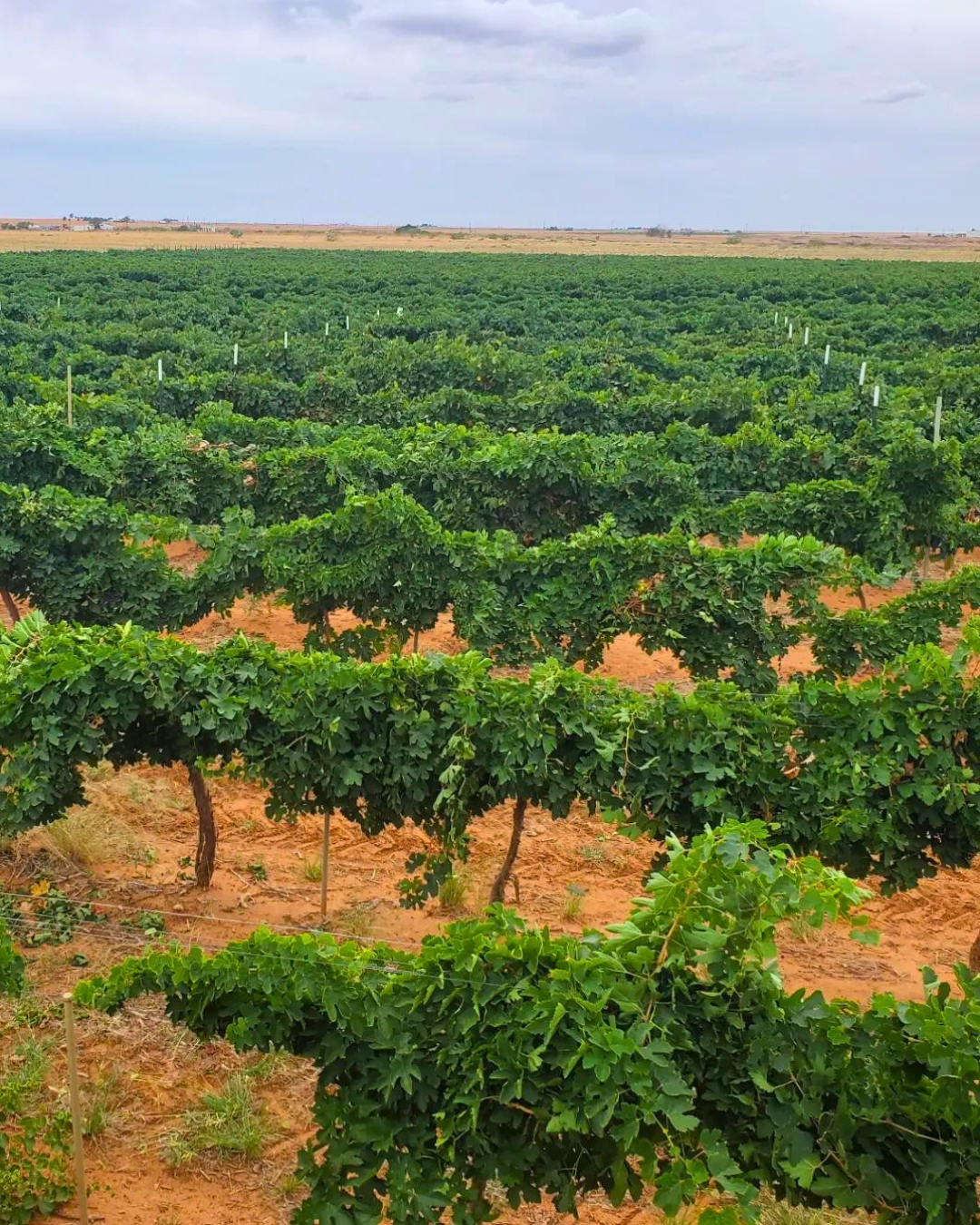
- As of September 2025, more than 14,000 acres are planted to wine grapes. (*Texas Agri-Life Extension Service)
- Texas horticulturist T.V. Munson is credited for identifying Texas root stock (v. berlandieri) that is resistant to Phylloxera, which devastated European vineyards in the mid-1800s. For his work, Munson was awarded The Legion of Honor, France’s highest civilian honor.
- Today’s Texas wine industry is known for its diversity of grapes, growing some 70+ different varieties.
- Top white grapes include Blanc du Bois, Viognier, Roussanne, Riesling, Trebbiano and Chardonnay
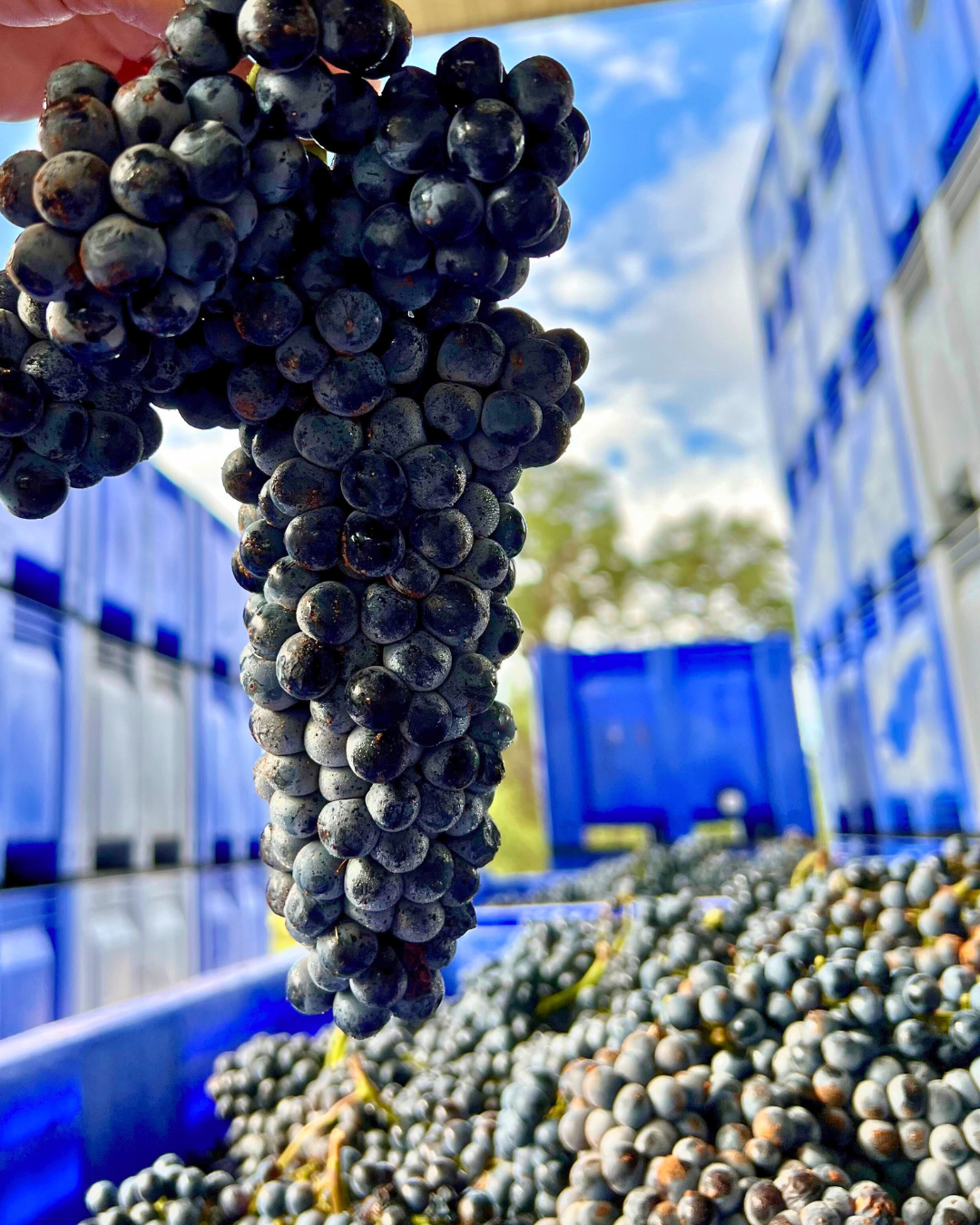
- Top red grapes include Cabernet Sauvignon, Tempranillo, Merlot, Mourvèdre, Aglianico, Black Spanish, Grenache, Petite Sirah, Sangiovese, Syrah
- Impressive vintages: 2011 and 2012 are showing great in 2026 and should be enjoyed. 2015 is still progressing nicely and can continue to age. 2017 reds should show well between 2030-2035.
- Looking ahead, 2021, 2024 and 2025 look promising for cellaring.