
Dr. Bob Young, Bending Branch Winery
Dave Reilly, Duchman Family Winery
David Kuhlken, Pedernales Cellars
Ron Yates, Spicewood Vineyards
-
Texas terroir is genuinely built for aging. The state’s diurnal temperature shifts preserve acidity while achieving full ripeness, and its ancient limestone, granite and caliche soils produce concentrated, structured fruit – the foundational ingredients for long-lived wines.
-
The right grape varieties make all the difference. Texas winemakers have deliberately homed in on varieties like Tannat, Tempranillo, Aglianico and Sagrantino – grapes with natural tannin structure and acidity that are architecturally suited for extended aging.
-
Ageability requires intentional investment. Experienced winemaking talent, techniques like cryomaceration and Flash Détente and extended barrel programs (some running 24–48 months or more) are deliberate choices that give Texas wines the structural integrity to evolve over time.
-
Texas wine has crossed a credibility threshold. With Gran Reserva-style Tempranillos, standout vintages like 2017, 2021, 2024, and 2025, and aging programs rivaling established wine regions, Texas is no longer a regional curiosity – it’s a legitimate, cellar-worthy wine region on a global scale.
In the world of fine wine, few attributes command more respect than ageability. The ability of a wine to evolve gracefully over years or even decades isn’t just a pleasant bonus – it’s a fundamental marker of quality. It signals balance, structure, complexity, and above all, the winemaker’s confidence in their craft. For the Texas wine industry, now entering its fourth decade of modern winemaking, the conversation around ageability isn’t premature – it’s overdue.
Texas wines have reached a level of maturity that demands we look beyond immediate drinkability and examine what happens when these wines are given time. The results are compelling, and they tell a story about a region that has quietly been building a foundation for wines that can stand alongside the world’s best.
Texas Terroir: A Competitive Advantage
Great aging starts in the vineyard, and Texas has more going for it than most people realize. The state’s predominantly continental climate brings warm days and cool nights – what winemakers call a diurnal shift – that preserves acidity while allowing full phenolic ripeness. That balance between freshness and ripeness is exactly what long-lived wines require.
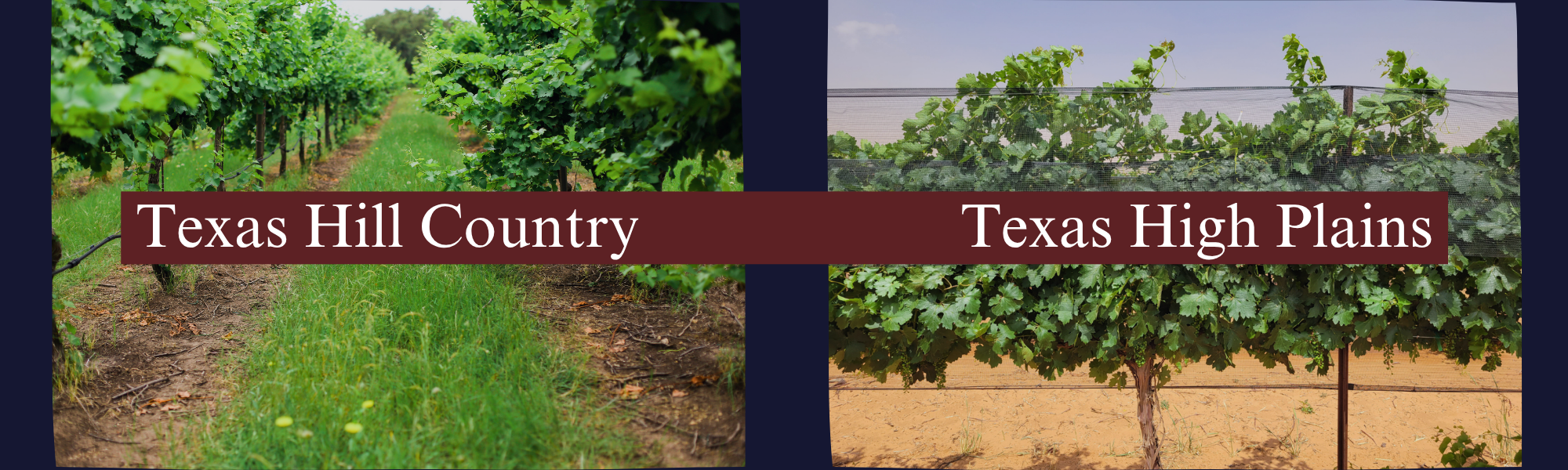
The soils tell an equally impressive story. In the Texas Hill Country, ancient limestone and granite deposits – reminiscent of France’s greatest wine regions – provide excellent drainage and mineral complexity. Further west, the Texas High Plains showcase caliche soils similar to those found in Australia’s renowned Coonawarra region. These soils stress vines just enough to produce concentrated, structured fruit.
Signature Texas Varieties for Aging
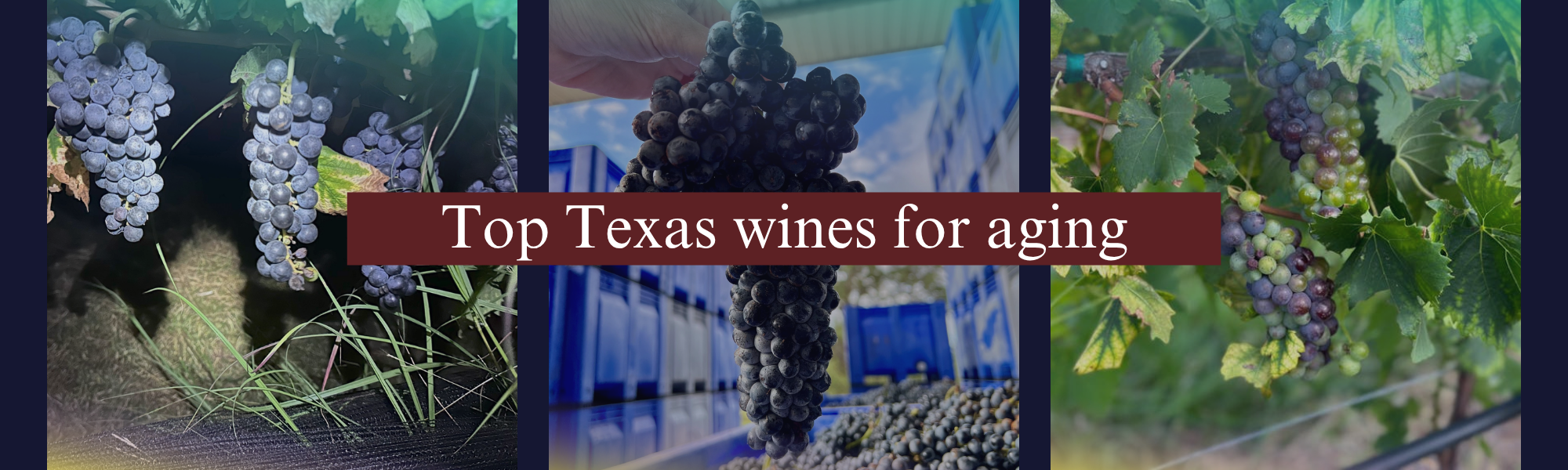
Texas winemakers didn’t arrive at age-worthy wines by accident. Over the past two decades, growers have perfected their understanding of which varieties thrive in Texas soils and climates. Several have emerged as clear champions:
- Tannat, with its formidable tannin structure, produces wines of power and longevity.
- Tempranillo has proven its ability to age gracefully, maintaining freshness while developing complexity.
- Aglianico (Italy’s “Barolo of the South”) thrives in Texas heat and produces wines of remarkable structure.
- Cabernet Sauvignon, Merlot and Bordeaux blends have shown they can develop the classic secondary and tertiary characteristics we expect from age-worthy wines.
- Petit Verdot and Sagrantino, with their extraordinary tannin concentration, offers exceptional aging architecture for those willing to wait.
These aren’t varieties chosen for convenience. They were chosen because Texas conditions coax the best out of them and because they’re built to last.
Investments in Ageability
Producing age-worthy wine is not an accident. David Kuhlken, co-owner and executive winemaker at Pedernales Cellars, notes that a focus on ageable Texas wines requires a deliberate, sustained investment in the infrastructure and expertise that give a wine the structural integrity to evolve gracefully over time.
Temperature-Controlled Excellence
Our wineries have all made significant commitments to temperature-controlled facilities that protect fruit from harvest through bottling, ensuring the heat extremes defining the Texas High Plains and Texas Hill Country do not compromise the delicate compounds responsible for a wine’s long-term development. Precise cellar temperatures aren’t merely a comfort – they are a prerequisite for preserving the acidity, tannin structure and aromatic complexity that allow a wine to reward patience.
Professional Winemaking Talent
Equally important is the investment in professional winemaking talent. Experienced winemakers who understand the particular character of Texas varieties – from the structured tannins of a Texas Hill Country Tannat and the bold fruit of a Texas High Plains Cabernet to the phenolic richness of a Texas Davis Mountains Malbec and the bright acidity of a Dell Valley Chardonnay — bring the technical and intuitive judgment required to coax longevity from the vintage rather than simply bottling what the season gives them.
Innovation and Experimentation
Whole-cluster presses, temperature-controlled fermentation vessels, cryomaceration and Flash Détente, as well as gravity-fed cellar designs all contribute to wines that arrive in the bottle with minimal oxidative stress and maximum potential.
At Bending Branch Winery, Dr. Bob Young ages most of its bold reds from 24 to 48 months in oak barrels and recently introduced the first wines aged in Texas-grown white oak. The winery uses techniques like cryomaceration and Flash Détente to maximize procyanidin levels, and extended barrel aging to enhance ellagitannin levels – both key elements to prolonging ageability. “Of all our varieties, Tannat stands out the best for ageability,” Young says.
The science behind this is precise. “Ellagitannin concentrations in wine rise substantially during the first year of oak barrel contact, then continue to evolve in ways that contribute to both antioxidant capacity and structural complexity,” says Young. “The choice of barrel origin matters as well. Wines aged in French oak barrels develop distinct ellagitannin profiles compared with those aged in American oak, underscoring why winery-specific oak programs are a meaningful variable in crafting long-lived wines. We are now using Texas White Oak, too, and are at the beginning stages of seeing how this distinctive program will make its mark on ageability.”
Intentional Aging Programs
As the Texas wine industry has matured, so have the aging programs. Duchman Family Winery ages its Montepulciano and Aglianico a minimum of four years in barrel, followed by at least 12 months in bottle before release, using predominantly neutral oak to let the fruit and place tell the story.
“What we want is the gentle oxidation and structural development that barrel aging provides while letting the grape and place where it was grown tell the story,” says winemaker David Reilly. “The varieties we work with have proven themselves. They develop the kind of complexity that answers the question about whether Texas wines can age. The answer is yes — if you commit to the right varieties and give them time.”
Tempranillo has long been subject to Spain’s rigorous aging classification system. At its pinnacle is Gran Reserva – requiring 5 years of aging with a minimum of 18 months in oak, reserved only for the finest harvests. Both Spicewood Vineyards and Pedernales Cellars have recently produced Gran Reserva-style Tempranillos to demonstrate what Texas wine is truly capable of.
“As one of Texas’ most vocal and passionate voices for Tempranillo, I wanted to show how our terroir and expertise can deliver Gran Reserva quality that showcases Tempranillo’s depth, elegance and longevity,” says Spicewood Vineyards owner Ron Yates, who introduced his first Gran Reserva with the 2017 vintage and already has 2024 and 2025 vintages aging in the cellar.

Vintages Worth Knowing
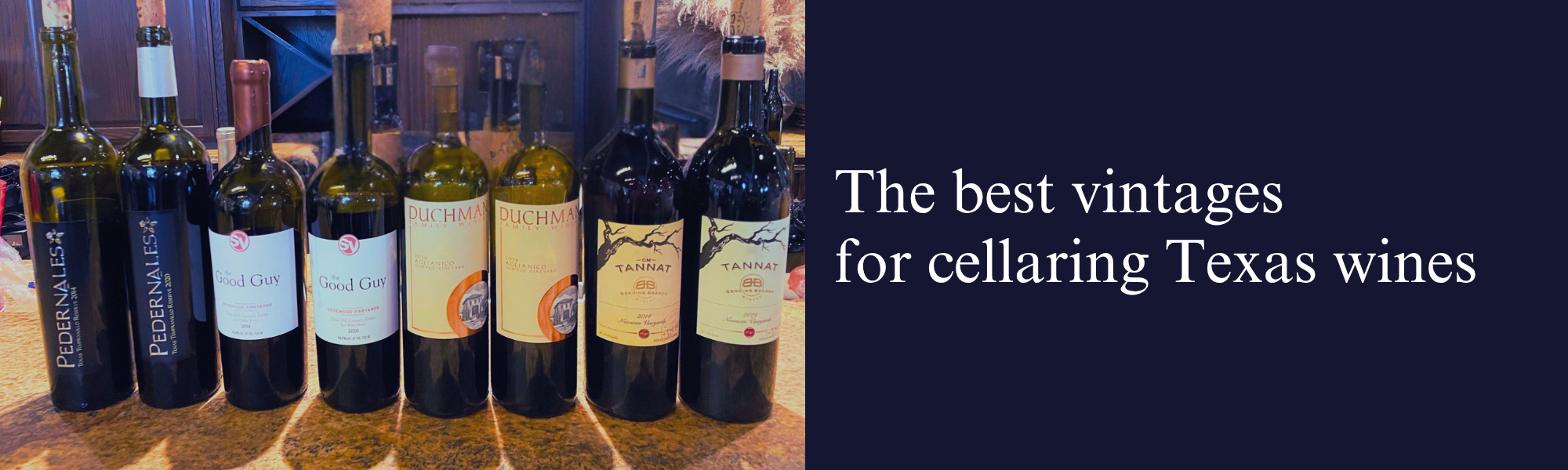
The wines coming out of Texas now are meaningfully more age-worthy than those of 15 to 20 years ago – better farming and better winemaking have seen to that. For those building a Texas cellar: 2017 reds are showing beautifully and should continue to develop over the next five to ten years. Looking ahead, 2021, 2024 and 2025 have produced fruit with the flavor concentration and structure necessary for extended cellaring.
A Region That Has Arrived
Ageability isn’t about ego or marketing. It’s proof that Texas winemakers have mastered the fundamentals – from site selection and viticulture to harvest decisions, winemaking techniques and barrel programs. The fact that Texas wines can, and should, be cellared elevates the entire industry. It positions Texas not as a novelty, but as a legitimate wine region producing wines worthy of patience, investment and a place in any serious cellar.